The 6 Body Regions Where Overwhelm Shows Up (And How to Find Yours)
Your body is trying to tell you something.
That tightness in your chest when you’re reviewing your calendar. The jaw clenching during back-to-back meetings. The knot in your stomach before a difficult conversation.
These aren’t random sensations. They’re your nervous system’s way of communicating that something needs attention.
But here’s what most people miss: stress doesn’t show up the same way for everyone.
While your colleague might get tension headaches, you might feel it as chest tightness. While your partner carries stress in their shoulders, you might hold it in your gut.
Understanding where YOUR body holds stress is the first step toward actually releasing it.
Why Your Stress Pattern Matters
For years, I treated all stress the same. Feeling overwhelmed? Take deep breaths. Feel anxious? Do some yoga. Can’t focus? Try meditation.
But generic stress management advice doesn’t work when you don’t understand your specific pattern.
Here’s the truth: Your nervous system has a preferred location for storing stress. It’s like a default setting—when overwhelm hits, your body routes it to the same place again and again.
Once you identify your pattern, everything changes:
- You can catch stress earlier, before it spirals
- You know which practices will actually help YOUR body
- You stop wasting time on techniques that aren’t designed for your pattern
- You can communicate your needs more clearly to others
The 6 Body Regions Where Stress Lives
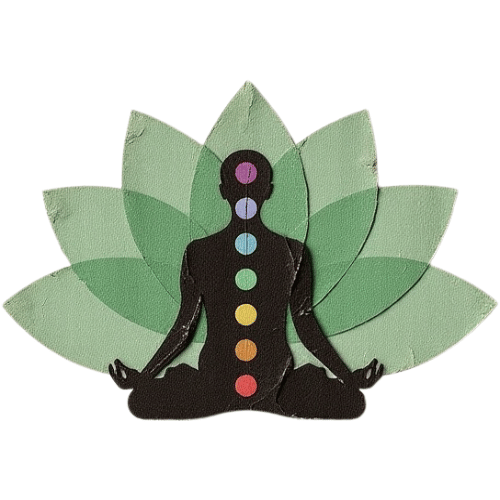
Through my work blending project management with somatic practices, I’ve identified six primary regions where overwhelm shows up. Most people have one or two dominant patterns.
Region 1: Crown/Third Eye (Head & Mind)
What it feels like:
- Brain fog and difficulty focusing
- Reading the same paragraph multiple times without retaining it
- Racing thoughts you can’t shut off
- Mental exhaustion even after sleeping
- Tension headaches or eye strain
- Information overload
What’s happening: Your cognitive capacity is genuinely maxed out. Your brain is trying to process too much incoming data—emails, messages, decisions, content, notifications. This isn’t “in your head”—your nervous system is signaling it needs space to process.
Common for: Knowledge workers, people in high-decision roles, anyone processing large amounts of information daily
Region 2: Throat
What it feels like:
- Tension in your jaw, neck, or shoulders
- Difficulty saying “no” even when you want to
- Swallowing your words in meetings or difficult conversations
- A sense of being unheard or misunderstood
- Physical sensation of having something stuck in your throat
- Tension around self-expression or visibility
What’s happening: Unexpressed thoughts and unspoken needs are creating internal pressure. You’re holding back communication that needs to flow—whether it’s boundaries at work, difficult conversations you’re avoiding, or simply speaking your truth.
Common for: People-pleasers, those in hierarchical environments, anyone who frequently “bites their tongue”
Region 3: Heart (Chest)
What it feels like:
- Tightness or heaviness in your chest
- Difficulty setting boundaries with people you care about
- Absorbing others’ emotions and stress
- Feeling responsible for everyone else’s well-being
- Exhaustion from “keeping the peace”
- Shallow breathing without realizing it
What’s happening: Emotional overwhelm is at the center of your stress. You’re likely navigating relationship dynamics, empathy fatigue, or the exhaustion of putting everyone else first. Your heart is working overtime—and it’s tired.
Common for: Empaths, caregivers, those in helping professions, parents, managers
Region 4: Solar Plexus (Upper Abdomen)
What it feels like:
- Digestive issues or stomach tension when stressed
- Difficulty delegating or asking for help
- Harsh self-judgment when things aren’t perfect
- Anxiety about being “enough” or doing “enough”
- Butterflies or nausea before important events
- Chronic tension in your core
What’s happening: You’re experiencing overwhelm around personal power, control, and self-confidence. There’s likely a battle between “I should be able to handle this” and “I’m completely overwhelmed.” Your inner critic is loud, and perfectionism might be running the show.
Common for: High achievers, perfectionists, those struggling with imposter syndrome
Region 5: Sacral (Lower Abdomen/Hips)
What it feels like:
- Creative blocks or loss of inspiration
- Disconnection from pleasure or joy
- Difficulty playing, having fun, or feeling lightness
- Tension in your lower back or hips
- Feeling “dried up” or emotionally flat
- Loss of flow state in your work
What’s happening: You’re experiencing depletion in your creative and emotional energy. There’s been too much output without enough replenishment—too much giving, creating, doing, without space to receive, rest, or simply be.
Common for: Creatives, entrepreneurs, parents, anyone in constant output mode
Region 6: Root (Legs, Feet, Base of Spine)
What it feels like:
- Financial stress or worry about job security
- Difficulty feeling settled or “at home” anywhere
- Constant low-level anxiety about the future
- Tension in your legs, feet, or lower body
- Feeling ungrounded, scattered, or “floaty”
- Restlessness or inability to be still
What’s happening: You’re experiencing overwhelm around basic survival needs—money, stability, safety, belonging. There’s anxiety about “Am I going to be okay?” running underneath everything else you’re trying to accomplish.
Common for: Anyone facing financial stress, job insecurity, major life transitions, or instability
How to Identify Your Pattern
Most people have awareness of where they hold stress, but they’ve never paid deliberate attention to it.
Try this simple exercise:
Think about the last time you felt overwhelmed. Close your eyes if it helps.
Ask yourself:
- Where did I first notice sensation in my body?
- What did it feel like? (Tight? Heavy? Racing? Numb? Fluttery?)
- Did it stay in one place or move to other areas?
- What did my body want to do? (Speak? Move? Curl up? Run? Cry?)
Write down your answers. You’ll likely notice a pattern.
Alternatively, track it for a week. Each time you feel stressed, note where you feel it in your body. Your dominant pattern will emerge.
Why This Matters for Productivity
Here’s where this connects back to sustainable productivity:
If you’re trying to be productive from a dysregulated nervous system, you’re fighting an uphill battle.
Your brain can’t focus when your chest is tight and your breath is shallow.
Your creativity is blocked when you’re depleted and running on empty.
Your decision-making suffers when your head is spinning and you’re disconnected from your body.
The most productive thing you can do is regulate your nervous system first. And you can’t regulate what you don’t understand.
When you know where YOU hold stress, you can intervene quickly:
- Crown/Third Eye pattern? You need to reduce information input and create mental space
- Throat pattern? You need to express or release what you’re holding back
- Heart pattern? You need boundaries and self-compassion practices
- Solar Plexus pattern? You need to release control and soften perfectionism
- Sacral pattern? You need to prioritize pleasure and creative replenishment
- Root pattern? You need grounding practices and safety-building routines
Different patterns need different solutions.
Discover Your Overwhelm Pattern
If you’re reading this and thinking “I have more than one pattern” or “I’m not sure which one is dominant”—that’s completely normal.
I created a free assessment that helps you identify your primary overwhelm pattern and gives you personalized practices based on YOUR nervous system.
It takes 3 minutes and maps your stress to one of these six body regions, then provides specific techniques that actually work for your pattern.
Because generic stress management doesn’t work. But targeted nervous system regulation? That changes everything.

About the Author: Lisa Cantor is a Project Management Professional (PMP) with 20+ years of experience, a certified Yin Yoga teacher, and Reiki Level II practitioner. She helps overwhelmed professionals build sustainable productivity by blending project management systems with nervous system regulation practices.